


Bridgestone aims to commercialise natural rubber from desert shrubs by 2030
Bridgestone Americas is taking a pivotal next step in its drive to commercialise the woody desert shrub, guayule, as a domestic source of natural rubber, and as a more environmentally sustainable crop in America’s drought-stricken desert southwest.
Bridgestone plans to invest an additional $42 million to establish commercial operations, with additional investment and expansion planned toward 2030.
The company says it will collaborate and partner with local US farmers and Native American tribes to increase capacity of up to 25,000 additional acres of farmland for planting and harvesting guayule at scale.
Bridgestone adds that it is targeting sustainable commercial production of guayule-derived natural rubber by the end of the decade.
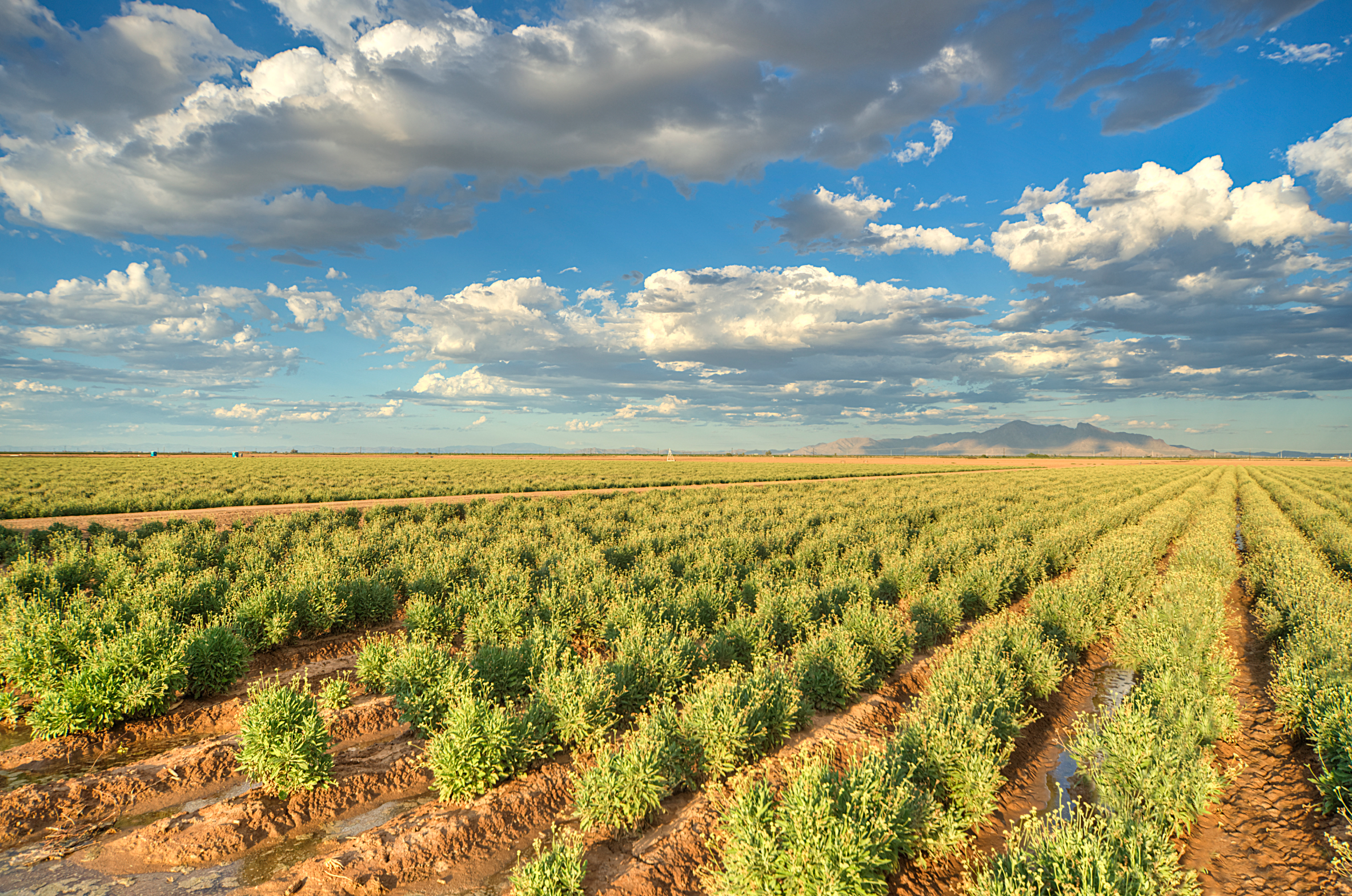
Nizar Trigui, CTO at Bridgestone Americas said the tyre maker is “extremely bullish” on guayule’s potential as a domestic source of strategically critical materials.
“With guayule, we can reduce the environmental impacts that come with overseas sourcing while also realising a more sustainable agricultural system for parts of this country that are facing persistent and worsening climate conditions, so it’s really something with many benefits for our environment and our economy,” he said.
Bridgestone launched its guayule research initiative in 2012, when it broke ground on a processing and research centre in Mesa, Arizona.
Today, the company operates the research centre in Mesa and a 281-acre guayule farm in Eloy, Arizona.
Bridgestone has invested more than $100 million in its efforts to commercialise guayule, achieving major milestones such as producing the first tyre made from guayule-derived natural rubber in 2015, and continued expansion of its guayule molecular breeding program.