


Michelin tyres to be fully sustainable by 2050
The Michelin Group says that all of its tyres will be 100 per cent sustainable by 2050.
Michelin claims nearly 30 per cent of the components used in the manufacture of it tyres are already made from natural, recycled or otherwise sustainable raw materials.
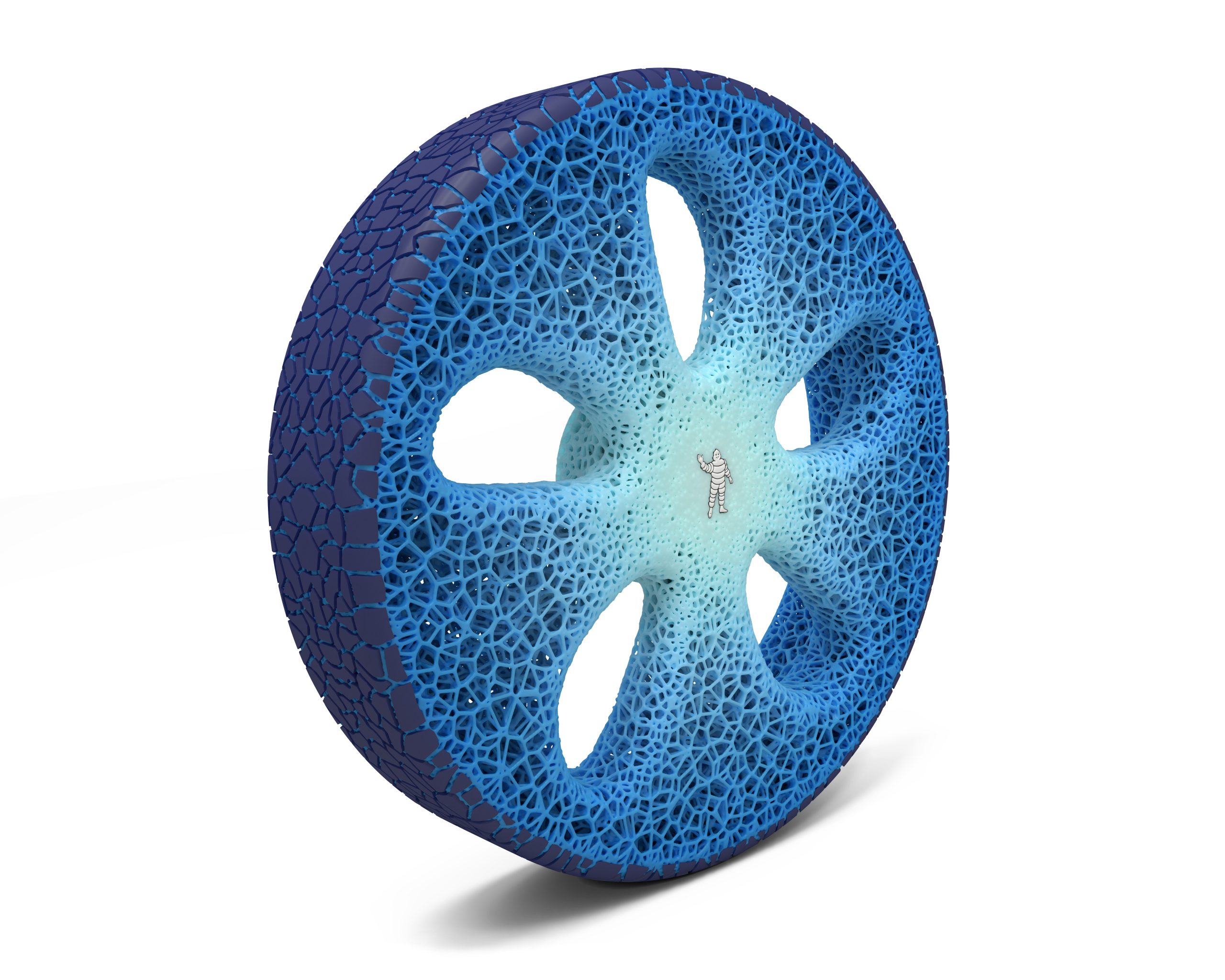
Inspired by the ‘Vision’ concept tyre introduced in 2017, an airless, connected, rechargeable and entirely sustainable solution, Michelin says it is committed to making its tyres fully sustainable in less than 30 years.
A Michelin tyre is a high-tech product comprising more than 200 ingredients. The main one is natural rubber, but the many ingredients also include synthetic rubber, metal, fibres and components that strengthen a tyre’s structure, like carbon black, silica and plasticizers (resins, etc.).
Incorporated in perfect proportions, these materials interact to deliver an optimal balance of performance, driveability and safety, while steadily reducing the tyre’s environmental impact.
Michelin’s maturity in materials technology stems from the strength of its R&D capabilities, which are supported by 6,000 people working in seven research and development centres around the world and mastering 350 areas of expertise.
The commitment of these engineers, researchers, chemists and developers has led to the filing of 10,000 patents covering tyre design and manufacturing.
Michelin says it is also aware that the speed and nature of innovation requires new forms of cooperation, which is why it has forged partnerships with innovative start-ups whose advances offer unlimited prospects. The developed technologies go well beyond the world of tyres and could be used in other industries, enabling them to benefit as well from recovered raw materials that are infinitely reusable. These technologies will also make it possible to recycle polystyrene and recover carbon black or pyrolysis oil from used tyres.
Axens and IFP Energies Nouvelles, the two companies that are spearheading the BioButterfly project, have been working with Michelin since 2019 on producing bio-sourced butadiene to replace petroleum-based butadiene. Using the biomass from wood, rice husks, leaves, corn stalks and other plant waste, 4.2 million tonnes of wood chips could be incorporated into Michelin tyres every year, the French firm tells us.
Signed in November 2020, the partnership between Michelin and Canada-based Pyrowave can produce recycled styrene from plastics found in packaging, like yogurt pots and food trays, or in insulating panels. Styrene is an important monomer used to manufacture not only polystyrene but also synthetic rubber for tyres and a wide variety of consumer goods.
Michelin says that eventually, tens of thousands of tonnes of polystyrene waste could be recycled back into its original products as well as into its tyres every year. It also says that some four billion plastic bottles could potentially be recycled into Michelin tyres every year.
Lastly, Michelin recently announced that it will launch the construction of its first tyre recycling plant in the world with Enviro. This Swedish company has developed a patented technology to recover carbon black, pyrolysis oil, steel, gas and other new, high-quality reusable materials from end-of-life tyres. It will enable everything in these tyres to be recovered and reused in several types of rubber-based production processes.
Michelin also supports the circular economy, as attested by its participation in the European BlackCycle consortium. This project, which is coordinated by the Group and financed by the European Union, brings together 13 public- and private-sector partners to design processes to produce new tyres from end-of-life tyres.